Trauma Fascia Release · Hong Kong

Trauma fascia release — fascia holds what the body was not ready to release

The fascia is not just connective tissue. It is the body's memory, its bracing, its unfinished business. When the nervous system is given the right conditions, the fascia releases what it has been carrying.

Faith works with the fascial system using craniosacral therapy and somatic experiencing, two approaches that follow the body's own intelligence rather than overriding it. In-person sessions in Central Hong Kong.

Book a session
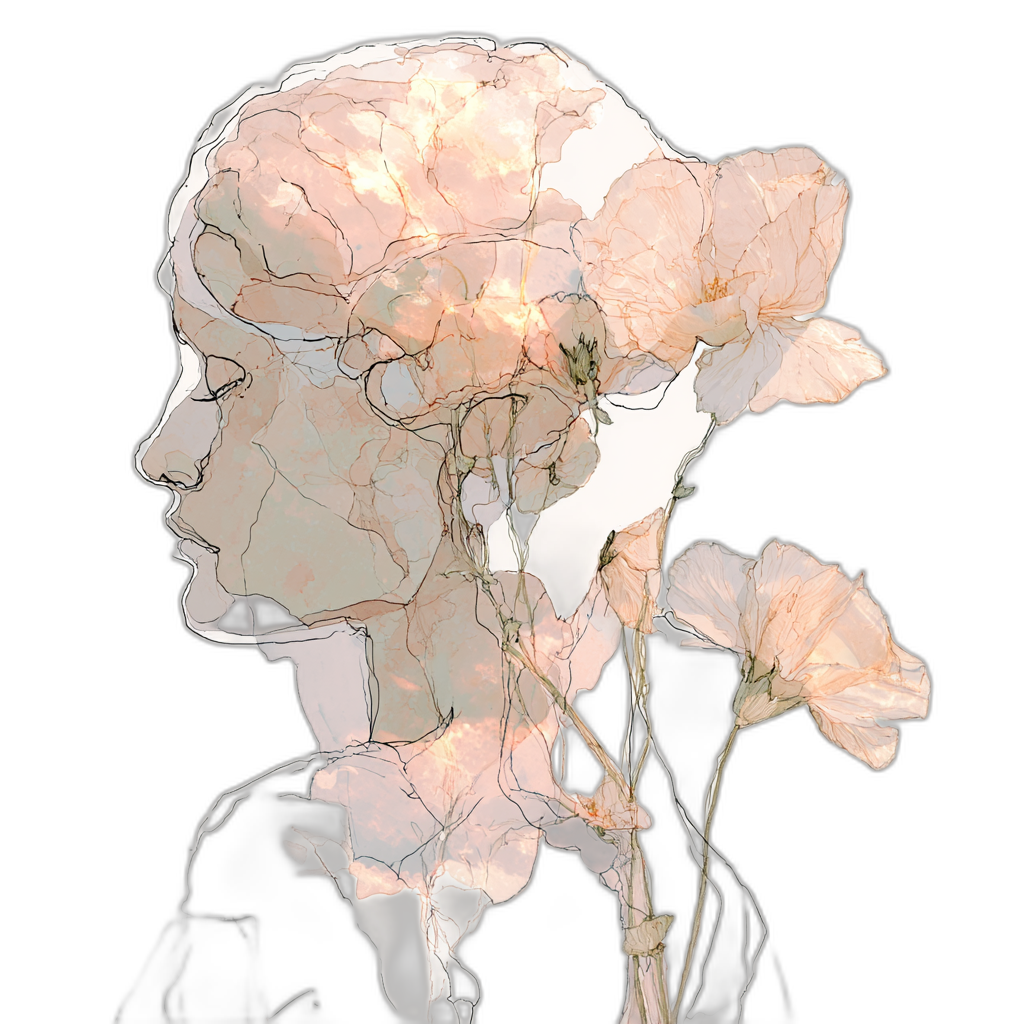
Botanical line illustration of the body
At a Glance

Trauma fascia release works with the body's connective tissue and nervous system to address holding patterns that persist after threatening or overwhelming experiences. The touch is very light. The body leads the session.

What Is Trauma Fascia Release?

Fascia is the continuous web of connective tissue that runs through the entire body, surrounding every muscle, organ, nerve, and bone. It is one unbroken structure. And it participates in every single stress response the body has ever had.

When the nervous system responds to threat or overwhelm, the fascia participates in that response. It braces, thickens, tightens. This is not a problem. It is the body doing exactly what it is designed to do: protect. The difficulty arises when the threat passes but the nervous system does not fully discharge the response. The bracing stays. The fascia holds.

Over time, these holding patterns accumulate. Chronic tension that returns no matter how much stretching or massage you do. Pain without a clear structural cause. A sense of being braced in the body even when you are at rest. A nervous system that cannot settle, because it is still, at some level, responding to something that happened years ago.

Trauma fascia release is not a single named technique. It describes what happens when the body's own intelligence is given the conditions to complete what it has been holding. The work is indirect and non-forceful. It does not push against the holding. It creates the environment in which holding becomes unnecessary.

Craniosacral Therapy and the Fascial System

Craniosacral therapy (CST) works directly with the fascial system. The practitioner listens to the subtle motion in the cerebrospinal fluid and the connective tissue, noticing where restriction is held, and creates the conditions for the body to release what it has been carrying. The pressure used is very light, roughly the weight of a five-pence coin, because this is light enough to avoid triggering the body's protective guarding response.

Somatic Experiencing and Completion

Somatic Experiencing (SE) works with the nervous system's own completion cycles. When a defensive response is activated but not fully discharged, it remains in the body as a held charge. SE-informed sessions help the body discharge incomplete responses, often held in the fascia, through tracked sensation, titrated movement, and the gentle completion of what was interrupted.

The Nervous System Connection

Fascia is innervated throughout: it is full of sensory receptors. The nervous system and the fascial system are in constant dialogue. When the nervous system is regulated, the fascia can soften. When fascia is held, it sends signals that keep the nervous system alert. This is why working only at the physical level often produces temporary relief: without addressing the nervous system's role, the holding returns.

Indirect and Non-Forceful

Force applied to held fascia tends to produce resistance: the body protects what it is holding. The indirect approach follows the tissue's own softening impulse, waiting until the body offers the release rather than demanding it. This produces changes that hold, because they come from the body's own intelligence rather than being imposed on it from outside.

How This Unfolds in a Session

Sessions are unhurried and client-led. The pace is set by the body. There is no protocol, no sequence to get through. The practitioner listens and follows.

  1. Conversation

    The session begins with a brief conversation: what you are noticing, what brings you, any relevant history. This is not a clinical intake. It is the beginning of listening, and it orients the work.

  2. Settling

    You lie fully clothed on a treatment table. No undressing, no oil. The room is quiet. Before hands are placed, there is a moment of simply allowing the nervous system to register that it is safe to be here.

  3. Palpation and Listening

    Contact begins very lightly, at the feet, the base of the skull, or wherever the body calls attention first. The practitioner listens to the craniosacral rhythm and to the quality and texture of the fascial system, noticing where movement is free and where it is held.

  4. Following the Release

    The work follows what the body offers. Sometimes this is a specific area releasing: warmth, pulsing, softening, a spreading sensation. Sometimes it is a quieting of the whole system. Sometimes there is emotional movement. All of it is information. Nothing is pushed for.

  5. Integration

    Sessions close with a period of integration. The body settles into what has shifted. There is time at the end to notice, to ask questions, and to hear what to pay attention to in the days that follow. Effects often continue to unfold over 24 to 72 hours.

What This Work Addresses

The common thread is held tension: patterns the body has not been able to resolve through rest, movement, or conventional bodywork. What differs is where the holding is most visible.

Chronic Tension That Returns

Tension that comes back after every massage, every stretch session, every yoga class. The fascial holding pattern is upstream of the muscle: unless that is addressed, the muscle will re-tighten.

Pain Without a Structural Cause

Scans show nothing. Physio has plateaued. The pain is real and the body is holding something. Fascial and nervous system patterns are not visible on imaging, and they do not respond to structural-only treatment.

Feeling Braced at Rest

A general sense of being held, armoured, or unable to fully soften, even in safe environments. The body learned to brace and has not received the conditions to update that learning.

Nervous System Dysregulation

Hypervigilance, difficulty settling, numbness, difficulty feeling the body as a safe place. These are nervous system states, not character traits, and the fascial system carries them.

Post-Accident and Post-Surgical Holding

The body often organises a protective bracing around the site of injury or surgery that persists long after healing. This is not a failure of recovery. It is a holding pattern waiting for a signal that it is safe to release.

Post-Birth Holding Patterns

Birth places significant force through the body, for the baby and the mother. CST works with newborns for cranial strain patterns affecting feeding and settling, and with mothers for the somatic residue of a birth that did not go as expected.

Jaw Tension, Headaches, Restricted Breathing

The jaw, the diaphragm, and the base of the skull are three of the body's primary sites of autonomic holding. When the nervous system is chronically activated, these areas tend to accumulate significant restriction.

Exhaustion That Rest Does Not Resolve

A nervous system that cannot shift out of a mobilised state is consuming energy continuously, even at rest. The exhaustion is real. The source is not the quantity of sleep or the amount of activity. It is the system itself.

Sessions with Faith

In-person sessions at Alive Wellness, Central Hong Kong. Fully clothed. Very light touch. 90 minutes.

What to Know Before You Book
  • Session length: 90 minutes
  • Fully clothed. Wear comfortable layers you can relax in
  • Location: Alive Wellness, Central Hong Kong (address confirmed at booking)
  • Rate: HKD $1,600 per session
  • Frequency: weekly or fortnightly to start; less frequent as patterns settle
  • Online sessions available via Soma Speak (60 min, HKD $1,000)

Faith Lantz

Certified in both Upledger and Biodynamic CST, completing SE training. Central, Hong Kong.

Upledger CST Biodynamic CST SE Training Rebirthing Breathwork

Faith came to this work through her own body. She spent years working with movement, breathwork, and somatic practice, gradually understanding that what the nervous system carries cannot be thought or willed into resolution. It has to be met. Craniosacral therapy became the most precise and respectful language she had found for that meeting, something that worked at the level where the holding actually lives.

She trained in Biodynamic Craniosacral Therapy over two years, working with the tradition that follows the body's own intelligence as its primary tool. She also holds Upledger certification, which adds structural precision for specific patterns and conditions. She is completing her Somatic Experiencing professional training, deepening her capacity to work with the nervous system's own completion cycles. In sessions, these are not separate techniques layered on top of each other. They are one quality of attention, drawing on whichever approach the body is asking for.

Sessions are seen in Central, Hong Kong, at Alive Wellness.

Questions About This Work

The most common questions about trauma fascia release, answered plainly.

In-person, Central Hong Kong

Ready to Work with What Your Body Holds?

Sessions at Alive Wellness, Central. 90 minutes, HKD $1,600. Enquire via the form and Faith responds personally.

Enquire →